Best Rome Tours: 7 Perfect Picks for an Amazing 2026 Trip
Plan the best Rome tours in 2026 with confidence. Vatican and Colosseum routes, neighborhood walks, transit tips, and how to book a great local guide.
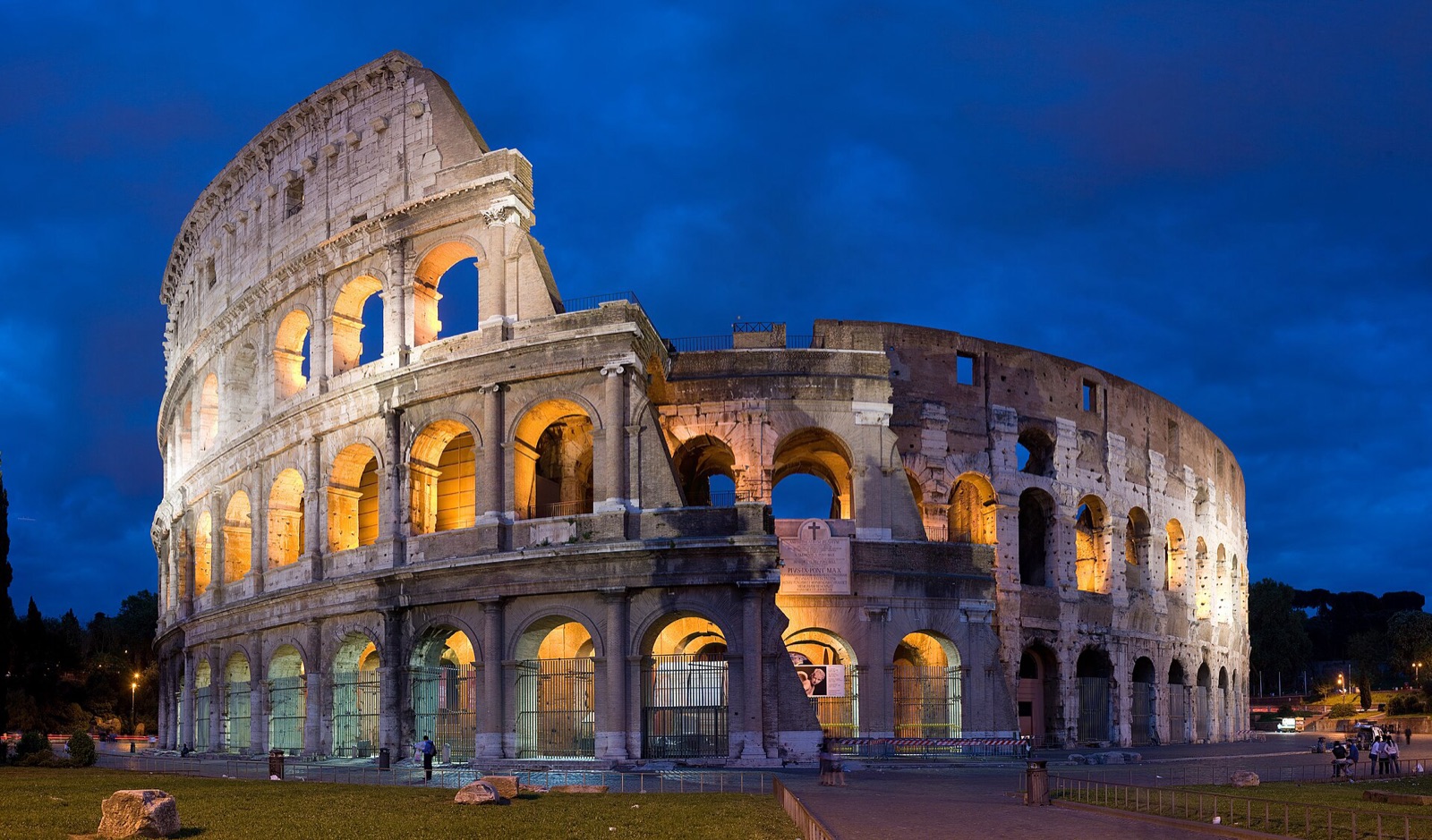
The best Rome tours weave 2,500 years of antiquity, a papal enclave, and the densest restaurant scene in Italy into a single coherent week. This guide covers the seven things first-time travelers want to know in 2026: which neighborhoods to prioritize, when to book the Vatican instead of walking up, what a fair price looks like, and how to book a guide who knows the Colosseum outside cruise-ship hours. Get the sequence right and a Rome tour turns into the highlight of an Italy trip.
Key Takeaways: The best Rome tours combine the Vatican, the Colosseum and Forum, the Centro Storico, and a Trastevere food walk, run from sunrise to late evening, and cost €30 to €180 per person depending on transport and group size. Visit April to early June or September for the best weather, book timed-entry tickets in advance, and use the metro instead of taxis at rush hour.
Rome is a UNESCO-listed historic centre of seven hills, two enclaves, and an Aurelian wall older than any other European capital. Our guide to vetting a tour operator applies wherever you book, and our best Italy tours 2026 guide and Amalfi Coast tours 2026 guide cover how Rome pairs with Florence and the south.
1. When to Visit on a Rome Tour
The Rome tour season runs year-round, with the strongest weather and lightest crowds in April-early June and September-October. Daytime temperatures sit between 18 and 26 degrees Celsius, the Vatican queue stays under 45 minutes for prebooked tickets, and Trastevere's outdoor tables open by 7 p.m. July and August also work, but expect 34-degree heat by noon and a two-hour wait at the Colosseum without timed entry.
Off-season visits from November through February are slower-paced, with shorter Vatican hours and the best restaurant availability of the year. Plan three or more nights so a single rainy morning does not derail the trip. The Italian National Tourism Board publishes daily museum hours and weather updates during the operating season.
2. The Neighborhoods: How to Pick Your Rome Tour Route
Three rules for picking your Rome tour route:
- The city splits into four useful zones. Centro Storico for monuments and piazzas, the Vatican for museums and St. Peter's, Trastevere for restaurants and nightlife, Testaccio for markets and the food scene.
- Distances on the map are short, traffic is not. The 3 km from the Colosseum to the Vatican covers 20 minutes by metro but takes 50 minutes by taxi in afternoon traffic.
- Most ticketed sites are timed-entry. Walk-up slots for the Colosseum, Vatican Museums, and Borghese Gallery are usually gone by 10 a.m. in shoulder season.
Browse cultural tours on FindToursIn for guided routes that handle the timed-entry logistics. Most travelers cover two or three neighborhoods in a single day; all four needs a four-night stay.
For travelers building a wider Mediterranean trip, our best Greece tours summer 2026 guide explains how Italy pairs with the Aegean, and the how to choose tour agency guide covers the questions to ask before paying a deposit.
3. The Vatican: Museums, Sistine Chapel, St. Peter's
A Vatican tour is the most-booked half-day on any Rome tour itinerary. The Vatican Museums hold seven kilometers of galleries running from the Pio-Clementino sculpture wing to Raphael's Stanze and the Sistine Chapel. A focused guided route takes three hours; the wider self-guided loop takes a full day. St. Peter's Basilica is a separate ticket and a separate entrance through the colonnade on the right.
Photography is unrestricted everywhere except inside the Sistine Chapel and inside the Treasury beneath St. Peter's. The guide handles ticket reservations on the Vatican Museums official site, the skip-the-line slot, and the modest-dress rule (shoulders and knees covered) for basilica entry. Standard Vatican entry was €20 in 2026; guided small-group tours run €60 to €90 per person.
4. The Colosseum, Forum, and Palatine Hill
A Colosseum and Forum walking tour is the second most-booked experience on any Rome tour. The combined ticket covers the Colosseum, the Roman Forum, and the Palatine Hill, valid for two consecutive days. A good guide unlocks the arena-floor access and the underground hypogeum, which are not part of the standard ticket.
Most full-day Rome tours pair the Colosseum at 9 a.m. with the Forum at 11 and a Palatine Hill lunch picnic before the afternoon walking section through the Imperial Forums. Browse hiking tours on FindToursIn for routes that include the Appian Way archaeological park, where a 16 km Roman road runs past catacombs and aqueducts on a single Sunday afternoon when motor traffic is banned.
5. Trastevere, Trevi, and the Pantheon
The Centro Storico packs the strongest postcards on any Rome tour. The Pantheon is the best-preserved Roman building in the world, free to enter, and 90 seconds from Piazza Navona. The Trevi Fountain, the Spanish Steps, and Campo de' Fiori all sit within a 15-minute walk of each other. A good guide threads them in the right order to avoid the worst of the midday crowd.
Trastevere is the dinner neighborhood. A food tour through the old streets covers carbonara, cacio e pepe, supplì, and the strongest tiramisu in the city. Browse food tours on FindToursIn for routes that include the Testaccio market and the working bakeries off Viale Trastevere.
6. Rome Tour Pricing in 2026
Standard prices for 2026 Rome tours fall into three brackets:
- Half-day group walking tour of the Centro Storico: €30-€60
- Full-day private guide with vehicle and lunch: €140-€180
- Two-day Vatican plus Ancient Rome private package: from €450
Many operators offer a discount for cash payment in person, but the lower price comes with weaker cancellation protection. Compare plans for tour agencies if you operate Rome experiences yourself; FindToursIn lists agencies under a flat monthly fee with zero booking commission.
7. What to Pack for a Rome Tour
Cobblestone walking is harder on shoes than most travelers expect, and Vatican entry has a real dress code. Pack:
- A light layer plus a windproof shell for early-morning Forum visits
- Knee-length skirt or trousers and a shoulder cover for Vatican and basilica entry
- Sturdy closed-toe shoes for the sampietrini cobbles around the old city
- A 1-liter water bottle, sun cream, and a small daypack for market stops
Leave large suitcases at the hotel. A small daypack with a camera, modest-dress layer, and a power bank is enough on a museum day. Lonely Planet's Rome guide and National Geographic's Rome coverage cover the lesser-known basilicas in detail.
Final Thoughts
The best Rome tours reward travelers who plan with care. A licensed guide, a sensible kit, and a timed-entry ticket bought in advance turn the trip from a monument-tick into a memorable week in the Eternal City. Our operator-vetting guide works wherever you book. For more ideas, see our travel blog or contact our team for a tailored Rome route.
Frequently Asked Questions
Are Rome tours worth it in 2026?
Rome tours are consistently rated among Europe's top three city experiences by Lonely Planet and the Italian National Tourism Board. The combination of ancient, Renaissance, and Baroque heritage in a single walkable centre is unmatched in Europe, and a good guide unlocks the right timed-entry slots before crowds arrive.
How many days do I need for a Rome tour?
A focused Rome tour needs at least three full days to cover the Vatican, the Colosseum and Forum, and one Centro Storico afternoon. A balanced five-night trip adds Trastevere, the Borghese Gallery, and a Testaccio food walk. A week unlocks the Appian Way and a day trip to Ostia Antica or Tivoli.
What is the best month for a Rome tour?
The best months for a Rome tour are April, May, early June, and September. Daytime temperatures stay between 18 and 26 degrees, the Vatican queue is manageable, and the cruise-ship volume around the Colosseum drops by more than half compared to July and August.
Can I do a Rome tour without renting a car?
Yes. The metro, buses, and trams cover every neighborhood. A Roma Pass costs €33 for 48 hours and includes public transport plus two free museum entries. Renting a car inside the city is rarely worth the limited-traffic-zone fines.
Is Rome expensive in 2026?
Rome restaurant prices run €18-€45 per person for a standard sit-down lunch in the Centro Storico, with rooftop venues at the upper end. Trattoria menus under €20 and pizza al taglio under €5 are easy to find one or two streets off the main piazzas.
What should I wear on a Rome tour?
Smart-casual dress works for restaurants and the secular monuments. For Vatican and basilica entry: shoulders and knees covered for everyone, no shorts or sleeveless tops. Sturdy walking shoes are essential everywhere because the historic centre is paved in sampietrini cobbles that punish heels and thin soles.
Curated travel content from our team of travel enthusiasts. We help you discover the best tours and destinations worldwide.
Ready to explore?
Find curated tours from verified local agencies — contact them directly, no booking fees.
Explore tours