Best Iceland Tours: 7 Perfect Picks for a Great 2026 Trip
Plan the best Iceland tours in 2026 with confidence. Ring Road routes, Northern Lights tips, glacier hikes, and how to book the right local guide.
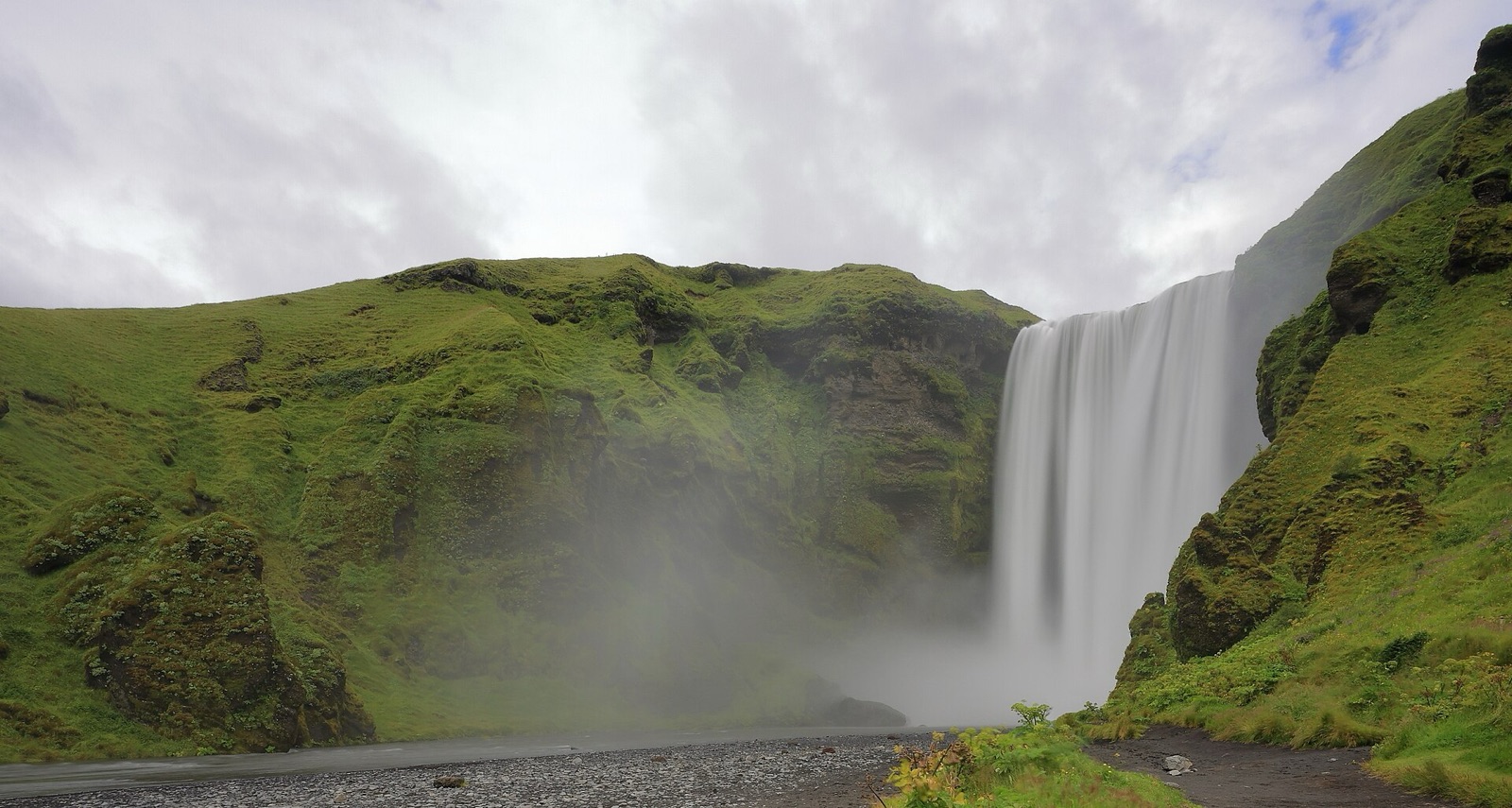
The best Iceland tours stitch together black-sand beaches, active volcanoes, and an aurora-grade dark sky into a single coherent week. This guide covers the seven things first-time travelers want to know in 2026: which regions to prioritize, when to chase the Northern Lights instead of midnight sun, what a fair price looks like, and how to book a guide who actually knows the Ring Road outside the cruise-ship hours. Get the sequence right and a single Iceland tour turns into the most photographed trip of the year.
Key Takeaways: The best Iceland tours combine Reykjavik, the Golden Circle, the South Coast glaciers, and a Northern Lights night, run year-round, and cost €70 to €280 per person depending on transport and group size. Visit September to March for the aurora or June to August for the midnight sun, prebook a 4x4 if you plan the Ring Road, and dress for four seasons in one afternoon.
Iceland is a 103,000 sq km volcanic island sitting on the Mid-Atlantic Ridge, with UNESCO-listed Thingvellir marking the only place on Earth where two tectonic plates are visibly drifting apart on land. Our top 10 destinations 2026 guide covers how Iceland pairs with the headline European trips, and our operator-vetting guide is useful reading before booking anywhere.
1. When to Visit on an Iceland Tour
The Iceland tour season runs year-round, with two distinct windows. The September-March window delivers Northern Lights hunting with up to 19 hours of darkness in December, glacier ice caves, and snow-covered waterfalls. The June-August window delivers the midnight sun, the only window when the Highland F-roads are open to civilian 4x4, and puffin season on the Westman Islands.
Off-season visits in April-May and October give a quieter Ring Road with reasonable car-rental rates, though the Highlands stay snowed in until late June and ice caves close from May to October. Plan three or more nights so a single storm does not derail the trip. The Icelandic Met Office publishes the official aurora forecast and road-closure status daily during the operating season.
2. The Regions: How to Pick Your Iceland Tour Route
Three rules for picking your Iceland tour route:
- The country splits into three useful zones. The South Coast for glaciers, the Golden Circle near Reykjavik for geysers, the Snaefellsnes Peninsula for the photogenic Kirkjufell mountain.
- Distances on the map are large, road conditions swing fast. The Ring Road covers 1,322 km in 17 hours of pure driving but takes 7 to 10 days to do properly with stops.
- Most ice caves and glacier hikes are guided-only. Walk-up tours at Vatnajokull are usually gone by 10 a.m. in shoulder season.
Browse nature tours on FindToursIn for guided routes that handle the 4x4 logistics. Most travelers cover the South Coast in 4 days; a full Ring Road needs 7 to 10 nights.
For travelers building a wider trip, our how to choose tour agency guide covers the questions to ask before paying a deposit, and our sustainable travel tips guide covers the low-impact options on an Iceland tour.
3. Reykjavik and the Golden Circle
A Golden Circle day trip is the most-booked half-day on any Iceland tour. The 300 km loop east of Reykjavik covers Thingvellir National Park, the Geysir geothermal field with the Strokkur eruption every 6 to 10 minutes, and the two-tier Gullfoss waterfall on the Hvita river. A focused guided route takes 8 hours; a self-drive run can be done in 6.
Photography is unrestricted everywhere on the loop except inside Thingvellir's Almannagja path during winter ice. The guide handles the parking-fee tickets, the geysir timing, and the optional Secret Lagoon or Fontana geothermal-bath stop on the return leg. Reykjavik itself rewards an afternoon at the Hallgrimskirkja viewpoint, the Sun Voyager sculpture, and a soak at the Sky Lagoon before dinner.
4. The South Coast: Waterfalls, Black Beaches, Glaciers
A South Coast Iceland tour is the most photogenic full-day on any itinerary. The route covers Seljalandsfoss (you walk behind the falls), Skogafoss (the wide-fall classic), Reynisfjara black-sand beach near Vik, and the Jokulsarlon glacier lagoon where icebergs drift to the Atlantic. A standard day-trip from Reykjavik covers the first three; reaching Jokulsarlon needs an overnight in Vik or Hofn.
Most full-day South Coast tours pair morning waterfalls with a guided walk on the Solheimajokull glacier and an afternoon at Diamond Beach where wave-polished ice glints on the black sand. Browse hiking tours on FindToursIn for glacier-hike routes and adventure tours for ice-cave and snowmobile combinations between November and March.
5. Northern Lights, Whales, and the Westfjords
A Northern Lights night is the strongest photograph on any winter Iceland tour. Aurora visibility needs a Kp index of 2 or higher, clear skies, and zero light pollution. Most operators run a small-group bus or super-jeep from Reykjavik between 9 p.m. and 1 a.m., with a free re-try on cloudy nights as standard.
Husavik on the north coast is Iceland's whale-watching capital with humpback, minke, and the occasional blue whale from May to September. The Icelandic Tourist Board lists licensed whale-watch and aurora operators. Browse beach and island tours for Westman Islands puffin trips and Westfjords hot-spring hikes.
6. Iceland Tour Pricing in 2026
Standard prices for 2026 Iceland tours fall into three brackets:
- Half-day Northern Lights group bus: €70-€110
- Full-day Golden Circle or South Coast group tour: €140-€200
- Multi-day private Ring Road package: from €2,400
Many operators offer a discount for cash payment in person, but the lower price comes with weaker cancellation protection. Compare plans for tour agencies if you operate Iceland experiences yourself; FindToursIn lists agencies under a flat monthly fee with zero booking commission.
7. What to Pack for an Iceland Tour
Iceland weather swings 12 degrees in an afternoon, and waterfall mist is closer to a fire-hose than a drizzle. Pack:
- A waterproof shell jacket and trousers (Gore-Tex or equivalent), not water-resistant
- A fleece or wool mid-layer plus thermal base layers from October through April
- Sturdy waterproof hiking boots with ankle support for glacier and waterfall paths
- A swimsuit, quick-dry towel, and microfibre pack for the geothermal lagoons
Leave large suitcases at the Reykjavik hotel. A small daypack with a camera, snack bars, and a 1-liter water bottle is enough on a day-tour leg. Lonely Planet's Iceland guide and National Geographic's Iceland coverage cover the lesser-known regions in detail.
Final Thoughts
The best Iceland tours reward travelers who plan with care. A licensed guide, a sensible shell jacket, and a glacier hike booked in advance turn the trip from a fogged-in disappointment into a memorable week on the edge of the Arctic. Check our guide to choosing a tour agency before you book your Ring Road trip. For more ideas, see our travel blog or contact our team for a tailored Ring Road route.
Frequently Asked Questions
Are Iceland tours worth it in 2026?
Iceland tours are consistently rated among Europe's top three nature experiences by Lonely Planet and the Icelandic Tourist Board. The combination of accessible glaciers, dark-sky aurora viewing, and geothermal bathing in one country is unmatched in the Nordics, and a good guide unlocks the safety briefings most self-drive visitors skip.
How many days do I need for an Iceland tour?
A focused Iceland tour needs at least 5 days to cover Reykjavik, the Golden Circle, and the South Coast as far as Jokulsarlon. A balanced 10-night trip adds the full Ring Road with stops in Akureyri and Husavik. Two weeks unlocks the Westfjords and the Snaefellsnes Peninsula for a complete circuit.
What is the best month for an Iceland tour?
The best months for an Iceland tour depend on the goal. For Northern Lights, choose October through March. For the midnight sun and Highland access, choose June through August. May and September deliver a balanced shoulder-season Ring Road with both moderate aurora chances and clear roads.
Can I do an Iceland tour without renting a car?
Yes. Reykjavik Excursions and Gray Line both run daily bus tours covering every signature stop. The BSI bus terminal in Reykjavik is the hub for inter-region transfers. A self-drive in a small economy car is fine on the Ring Road in summer; winter and Highland routes need a 4x4 and a licensed operator.
Is Iceland expensive in 2026?
Iceland restaurant prices run €25-€55 per person for a standard sit-down lunch in Reykjavik, with restaurant-grade cod and lamb at the upper end. Bakery snacks under €5 and gas-station hot-dogs under €4 (Bæjarins Beztu Pylsur is the local institution) are the budget-day staples.
What should I wear on an Iceland tour?
Layer clothing is essential. A waterproof shell, fleece mid-layer, and merino base layer cover most conditions year-round. Sturdy waterproof boots are non-negotiable everywhere because every signature stop involves a wet walk on volcanic gravel, basalt cobbles, or wet timber boardwalks.
Curated travel content from our team of travel enthusiasts. We help you discover the best tours and destinations worldwide.
Ready to explore?
Find curated tours from verified local agencies — contact them directly, no booking fees.
Explore tours