Machu Picchu Tours: 7 Perfect Picks for a Great 2026 Trip
Plan the best Machu Picchu tours in 2026 with confidence. Inca Trail routes, Sacred Valley tips, permits, and how to book the right local guides.
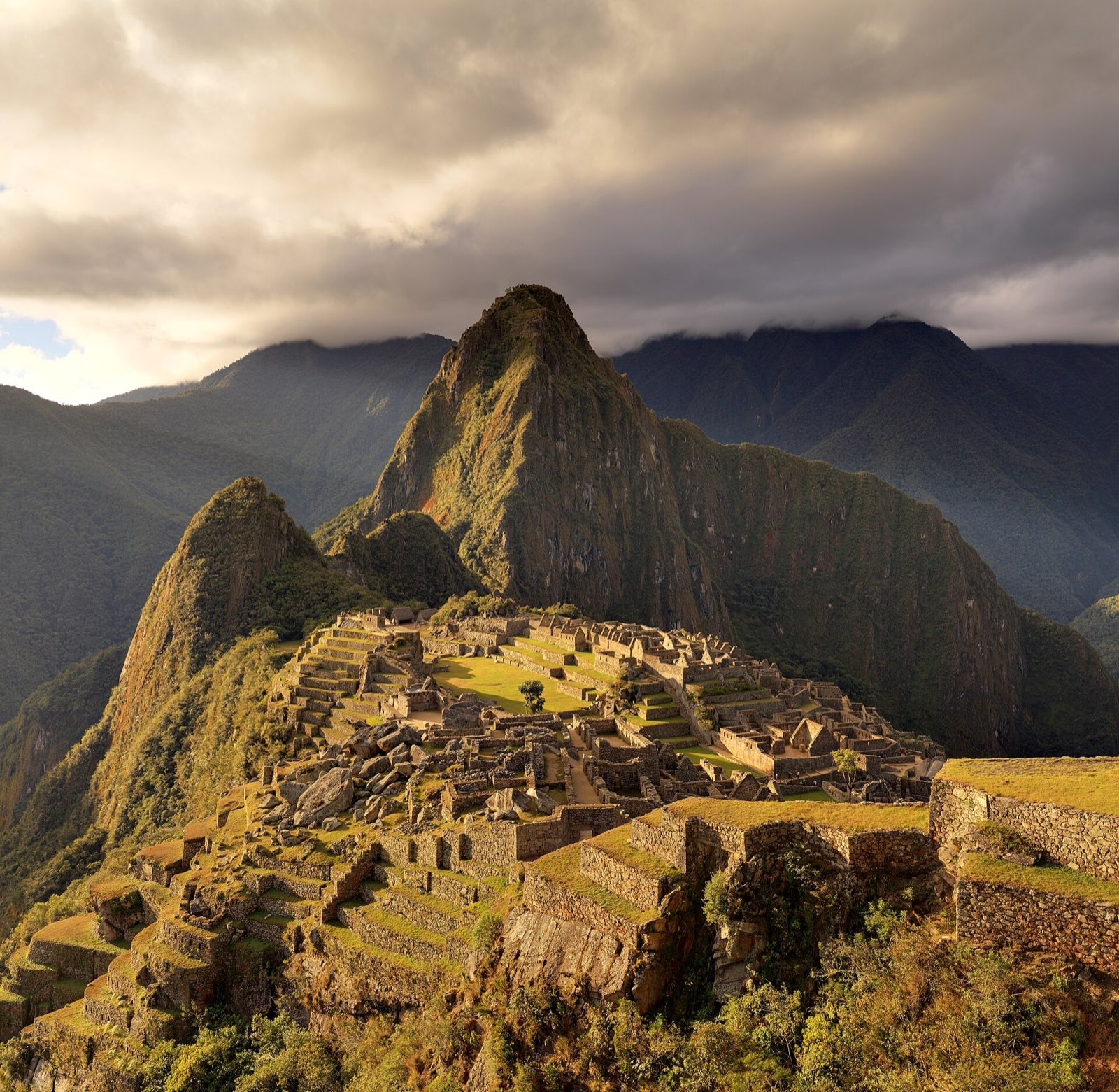
The best Machu Picchu tours weave a 15th-century Inca citadel, the Sacred Valley, and a multi-day Andean trek into a single coherent week. This guide covers the seven things first-time travelers want to know in 2026: which trail to book, when to acclimatize, what a fair price looks like, and how to book a guide who knows the citadel outside cruise-ship hours. Get the sequence right and a Machu Picchu tour turns into the highlight of any South America trip.
Key Takeaways: The best Machu Picchu tours combine Cusco, the Sacred Valley, and the citadel reached by Inca Trail trek or Vistadome train, run from April through October, and cost €280 to €1,800 per person depending on transport and group size. Visit May to October for the dry season, book Inca Trail permits 6 months ahead, and spend 2 nights at altitude before any trek.
Machu Picchu is a UNESCO-listed Inca citadel at 2,430 meters in the Eastern Cordillera of southern Peru, rediscovered by Hiram Bingham in 1911. Our top 10 destinations 2026 guide covers how Peru pairs with neighboring countries, and our tour-vetting guide is a useful checklist before booking any Andean operator.
1. When to Visit on a Machu Picchu Tour
The Machu Picchu tour season runs year-round, with two distinct windows. The May-October dry season is the most popular, with clear skies, sunrise photography conditions, and 18 to 22 degree daytime temperatures at the citadel. The November-April wet season brings afternoon rain, fewer crowds, and the Inca Trail closed entirely through February for annual maintenance.
The shoulder months of April and October give the best balance of weather and lower crowds, with citadel tickets easier to secure on shorter notice. Plan three or more nights in Cusco before any trek so altitude sickness doesn't derail the trip. The Peruvian Ministry of Culture publishes daily Machu Picchu ticket availability and trail status during the operating season.
2. The Routes: How to Pick Your Machu Picchu Tour
Three rules for picking your Machu Picchu tour route:
- The country splits into four useful zones for a Machu Picchu trip. Cusco for acclimatization, the Sacred Valley for ruins and food, the Vilcabamba or Salkantay routes for trekking, the citadel itself for one or two days.
- Permits are scarce. The classic Inca Trail releases 200 trekker permits per day (500 total with porters), and the 6-month booking window sells out in days for July and August.
- Most train tickets are timed-entry. Walk-up Vistadome seats from Ollantaytambo to Aguas Calientes are usually gone by 11 a.m. in high season.
Browse hiking tours on FindToursIn for guided trek routes that handle the permit logistics. Most travelers cover a 4-day Inca Trail trek; a Salkantay alternative needs 5 days and a Lares route 3-4.
For travelers building a wider trip, our how to choose tour agency guide covers the questions to ask before paying a deposit, and the sustainable travel tips guide covers responsible-trek choices.
3. Cusco and the Sacred Valley
A Sacred Valley day trip is the most-booked half-day on any Machu Picchu tour. The 60 km valley between Pisac and Ollantaytambo packs Inca terraces, working markets, and the trailhead for the Vilcabamba branch into a single full-day route. A focused guided day takes 8 to 10 hours; a deeper visit needs two nights in Ollantaytambo or Urubamba.
Photography is unrestricted everywhere on the valley loop. The guide handles entry to Pisac's terraced ruins, Moray's circular agricultural terraces, and the Maras salt pans where 6,000 pre-Inca evaporation pools still produce salt today. Cusco itself rewards two days on its own, with Qorikancha (the Inca Temple of the Sun), the Sacsayhuaman fortress above the city, and a coca-tea acclimatization rest at 3,400 meters.
4. The Inca Trail and the Salkantay Alternative
A classic Inca Trail trek is the most photogenic week on any Machu Picchu tour. The 4-day, 42 km route from km 82 covers two passes (Dead Woman's Pass at 4,215 meters and Runkurakay at 4,000), four Inca ruins, and arrival at the Sun Gate above the citadel on the final morning. Trekkers must go with a licensed agency; independent hiking has been banned since 2001.
The Salkantay route is the most-recommended alternative when Inca Trail permits sell out. The 5-day, 72 km trek crosses the 4,630-meter Salkantay Pass and ends at Aguas Calientes via Llactapata, with one of the strongest panoramic views of the citadel. The South American Explorers Cusco clubhouse maintains up-to-date trail notes. Browse adventure tours on FindToursIn for both routes.
5. The Citadel Day, Train Options, and Huayna Picchu
A two-day citadel visit is the strongest finish on any Machu Picchu tour. The first afternoon covers the postcard terraces, the Sun Gate route, and an Inca-Bridge add-on for travelers without vertigo. The second morning adds a Huayna Picchu or Machu Picchu Mountain climb, both requiring a separate permit and a 6 a.m. start.
The PeruRail Vistadome and IncaRail trains run from Ollantaytambo to Aguas Calientes in 90 minutes with panoramic glass roofs and one-way fares of €70 to €110 in 2026. Most full-day train-based tours bus from Cusco to Ollantaytambo, train down to Aguas Calientes, bus up to the citadel, and reverse the full route the same evening.
6. Machu Picchu Tour Pricing in 2026
Standard prices for 2026 Machu Picchu tours fall into three brackets:
- Day-trip from Cusco by train, group format: €280-€420
- 4-day classic Inca Trail with permit, food, porters: €700-€1,100
- Luxury train and lodge package, all-inclusive: from €1,800
Many operators offer a discount for cash payment in Cusco, but the lower price comes with weaker cancellation protection. Compare plans for tour agencies if you operate Machu Picchu experiences yourself; FindToursIn lists agencies under a flat monthly fee with zero booking commission.
7. What to Pack for a Machu Picchu Tour
Altitude, sun, and afternoon rain swing the kit further than most travelers expect. Pack:
- A waterproof shell jacket and trousers for the citadel and any trek
- A fleece or down mid-layer plus thermal base layers for early morning starts
- Sturdy broken-in hiking boots with ankle support for the Inca steps
- A 2-liter water bladder, sun cream SPF 50, and coca-leaf tea bags
Leave large suitcases at the Cusco hotel. A 30-liter daypack with a camera, modest mid-layer, and a power bank is enough on a citadel day. Lonely Planet's Peru guide and National Geographic's Machu Picchu coverage cover the lesser-known Vilcabamba ruins in detail.
Final Thoughts
The best Machu Picchu tours reward travelers who plan with care. A licensed guide, a sensible kit, and a citadel ticket booked six months ahead turn the trip from an altitude-sickness disaster into a memorable Andean week. Use our guide to choosing a tour agency to vet whichever operator runs your trek. For more ideas, see our travel blog or contact our team for a tailored Peru route.
Frequently Asked Questions
Are Machu Picchu tours worth it in 2026?
Machu Picchu tours are consistently rated among South America's top experiences by Lonely Planet and the Peruvian Ministry of Culture. The combination of 15th-century Inca engineering and a 2,400-meter cloud-forest setting is unmatched globally, and a good guide unlocks the Inca-Trail permits that solo trekkers cannot legally book.
How many days do I need for a Machu Picchu tour?
A focused Machu Picchu tour needs at least 5 days to cover Cusco acclimatization, the Sacred Valley, and one citadel day by train. A trekker's circuit covering the 4-day Inca Trail plus the citadel needs 8 to 10 nights. Two weeks adds Lake Titicaca and the Colca Canyon for a complete southern-Peru circuit.
What is the best month for a Machu Picchu tour?
The best months for a Machu Picchu tour are May, June, July, August, and September. Dry-season skies deliver the clearest sunrise photography, the trails stay walkable, and citadel ticket allocations are large enough to absorb peak demand. April and October are quieter shoulder alternatives.
Can I do a Machu Picchu tour without trekking?
Yes. The PeruRail Vistadome and IncaRail trains both run scenic 90-minute services from Ollantaytambo to Aguas Calientes. From there a 25-minute bus climbs to the citadel entrance, with timed-entry tickets running every hour from 6 a.m. to 2 p.m.
Is Machu Picchu expensive in 2026?
Cusco and Sacred Valley restaurant prices run €15-€40 per person for a standard sit-down lunch, with quinoa-and-trout tasting menus at the upper end. Set-menu menu del dia plates under €8 are easy to find in any Cusco backstreet, and street-cart anticuchos under €4 are the budget staple.
What should I wear on a Machu Picchu tour?
Smart-casual dress works for Cusco. For citadel and trek days: layered hiking clothes, a waterproof shell, sturdy boots, and a sun hat with a chin strap. Sturdy waterproof boots are non-negotiable everywhere because the Inca steps are wet granite and afternoon thunderstorms are routine year-round.
Curated travel content from our team of travel enthusiasts. We help you discover the best tours and destinations worldwide.
Ready to explore?
Find curated tours from verified local agencies — contact them directly, no booking fees.
Explore tours