Best Croatia Tours: 7 Perfect Picks for a Great 2026 Trip
Plan the best Croatia tours in 2026 with confidence. Dalmatian Coast routes, Dubrovnik tips, ferry strategy, and how to book the right local guide.
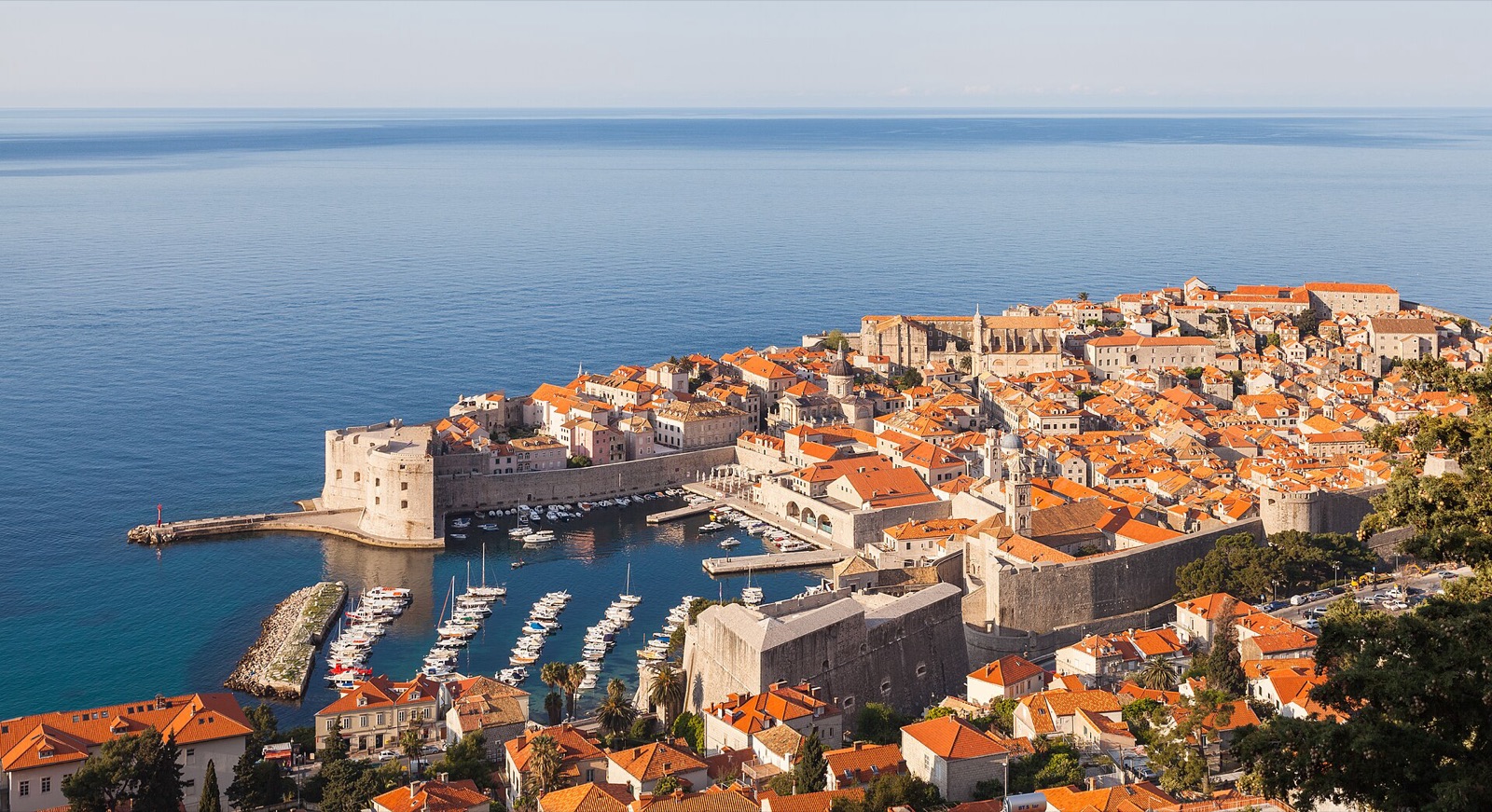
The best Croatia tours stitch together walled cities, two UNESCO parks, and a thousand-island coastline into a single coherent week. This guide covers the seven things first-time travelers want to know in 2026: which regions to prioritize, when to ferry instead of drive, what a fair price looks like, and how to book a guide who actually knows the Dalmatian Coast. Get the sequence right and a Croatia tour turns into the most varied trip in southern Europe.
Key Takeaways: The best Croatia tours combine Dubrovnik, Split, the Plitvice Lakes, and the Dalmatian islands, run from April through October, and cost €30 to €180 per person depending on transport and group size. Visit in May to June or September for the best weather, dress for hot sun and limestone walking, and use ferries to skip the worst summer driving.
Croatia is a 5,800-kilometer coastline of UNESCO-listed cities and protected karst landscapes between the Velebit massif and the Adriatic. For a wider Adriatic itinerary, our best Italy tours 2026 guide and Albanian Riviera tours 2026 guide explain how Croatia pairs with its neighbors, and our guide to picking a trustworthy operator works no matter where you book.
1. When to Visit on a Croatia Tour
The Croatia tour season runs April through October, with the strongest weather and least pressure on the old towns in May-June and September. Daytime temperatures sit between 22 and 28 degrees Celsius, the sea is warm enough to swim by late May, and ferry queues stay under 30 minutes. July and August work too, but expect 35-degree heat by 11 a.m. and a three-hour wait at the Dubrovnik walls.
Off-season visits in March, November, and December are slower-paced, with island ferries reduced to once-daily sailings but every coastal restaurant open. Bora winds can ground catamarans for a day or two in winter, so plan three or more nights to absorb a cancellation. The Croatian National Tourist Board publishes daily wind and ferry status during the operating season.
2. The Regions: How to Pick Your Croatia Tour Route
Three rules for choosing the right Croatia tour route:
- The country splits cleanly into Dalmatia (south), Istria (north), and the inland lakes. Each region needs at least two nights to feel like more than a stopover.
- Distances on the map are short, ferry timetables are not. The Dubrovnik to Split coastal drive covers 230 kilometers but the same trip by catamaran takes four and a half hours.
- Most old-town parking is gone by 9:30 a.m. in summer and the walls close at 7:30 p.m., so a tour that starts at sunrise visits twice as many sites.
Browse cultural tours on FindToursIn for guided routes that handle the ferry and parking logistics. Most travelers cover two or three regions in a single week; all four needs ten days or a domestic flight.
For travelers building a wider trip, our best Greece tours summer 2026 guide explains how the eastern Adriatic compares to the Aegean, and the how to choose tour agency guide covers the questions to ask before paying a deposit.
3. Dubrovnik Old Town and the Best Croatia Tours by Wall
A Dubrovnik walking tour is the most-booked experience on any Croatia tour itinerary. The walls run two kilometers around the limestone peninsula, climb 25 meters above the Adriatic at the northeast corner, and take 90 minutes at a steady pace. Most guides start at the Pile Gate, climb Minceta Tower first for the panorama, then descend toward St. John's Fort for the harbor view.
Photography is unrestricted everywhere on the walls except inside the Rector's Palace. The guide handles ticket reservations, the Game of Thrones filming-location route, and the small museums in the towers, which speeds up the visit considerably when the cruise ships dock. The walls cost €35 in 2026; budget another €15 for a Lokrum Island ferry in the afternoon.
4. Plitvice Lakes and Krka Waterfalls
A Plitvice Lakes day trip is the most photogenic interior stop on the best Croatia tours. The park covers 296 square kilometers of karst, with sixteen turquoise lakes connected by 92 waterfalls and eight kilometers of boardwalk. The full upper-and-lower loop takes five hours; the lower lakes alone are doable in two.
Krka National Park near Sibenik is the smaller, warmer alternative. Most Krka tours include the Skradinski Buk falls, a short boat ride to Visovac monastery, and lunch in a riverside konoba. Browse nature tours on FindToursIn and hiking tours for routes that combine both parks in a single day.
5. Island Hopping: Hvar, Brac, and Korcula
The Croatian islands deliver the strongest postcards on any Croatia tour. Hvar combines lavender fields and Venetian fortifications with a nightlife scene that runs until 4 a.m. in July. Brac sits 50 minutes from Split by ferry and includes Zlatni Rat, the shifting pebble spit. Korcula, claimed as Marco Polo's birthplace, has a stone old town smaller than Dubrovnik's by half.
Ferries run hourly from Split in summer and three times daily in shoulder season, with fares of €6 to €40 depending on speed. The fastest catamarans are operated by Krilo and Jadrolinija; book seats 24 hours ahead in July and August. Browse beach and island tours for two- and three-island Croatia tours that include skipper, fuel, and snorkel gear.
6. Croatia Tour Pricing in 2026
Standard prices for 2026 Croatia tours fall into three brackets:
- Half-day walking tour in Dubrovnik or Split: €30-€60
- Full-day private guide with vehicle: €140-€180
- Multi-day Dalmatian Coast island charter: from €700
Many operators offer a discount for cash payment in person, but the lower price comes with weaker cancellation protection. Compare plans for tour agencies if you operate Croatia experiences yourself; FindToursIn lists agencies under a flat monthly fee with zero booking commission. For wider culinary stops, see food tours on FindToursIn.
7. What to Pack for a Croatia Tour
Coastal conditions swing 8 to 10 degrees through the day, and limestone walking is harder on shoes than most travelers expect. Pack:
- A light layer plus a windproof shell for catamaran crossings and bora gusts
- Smart-casual trousers or a knee-length dress (cathedral dress code in Dubrovnik)
- Sturdy closed-toe shoes for the walls and Plitvice boardwalks
- A 1-liter water bottle, sun cream, and reef-safe swim shoes for pebble beaches
Leave large suitcases at the Split or Dubrovnik hotel. A small daypack with a camera, swimsuit, and a light scarf is enough on a ferry day. Lonely Planet's Croatia guide and National Geographic's Dalmatian Coast coverage cover the lesser-known villages in detail.
Final Thoughts
The best Croatia tours reward travelers who plan with care and travel with patience. A licensed guide, a sensible packing kit, and a ferry ticket bought in advance turn the trip from a multi-city scramble into a memorable week along the Adriatic. Lean on our operator-vetting guide to book directly and safely. For more ideas, see our travel blog or contact our team for a tailored Dalmatian route.
Frequently Asked Questions
Are Croatia tours worth it in 2026?
Croatia tours are consistently rated among Europe's top five coastal experiences by Lonely Planet and the Croatian National Tourist Board. The combination of UNESCO-listed walled cities and two protected national parks is unmatched on the eastern Adriatic, and a good guide unlocks the right ferries and viewpoints before crowds arrive.
How many days do I need for a Croatia tour?
A focused Croatia tour needs at least five days to cover Dubrovnik, Split, one inland park, and a single island. A balanced week of seven to nine nights adds Hvar or Korcula and a slow afternoon in Trogir. Two weeks unlocks Istria and the Zagreb cultural circuit on top.
What is the best month for a Croatia tour?
The best months for a Croatia tour are May, June, and September. Sea temperatures stay above 21 degrees, the bora wind sits at a tolerable level, and the cruise-ship volume in Dubrovnik drops by more than half compared to July and August.
Can I do a Croatia tour without renting a car?
Yes. Ferries, the Split-Dubrovnik catamaran, and shared shuttle services cover the entire Dalmatian Coast without a rental. Jadrolinija's timetables are published on the official Jadrolinija site and a Plitvice transfer from Zagreb or Zadar takes two and a half hours each way.
Is Croatia expensive in 2026?
Croatia restaurant prices run €18-€45 per person for a standard sit-down lunch, with Dubrovnik and Hvar at the upper end. Bakery snacks under €5 and local konoba menus under €15 are easy to find off the main square in any coastal town.
What should I wear on a Croatia tour?
Smart-casual dress works for restaurants and the Dubrovnik cathedral: shoulders covered for women, no shorts inside churches. Sturdy walking shoes are essential everywhere because the old-town lanes and Plitvice boardwalks are slippery limestone and worn timber.
Curated travel content from our team of travel enthusiasts. We help you discover the best tours and destinations worldwide.
Ready to explore?
Find curated tours from verified local agencies — contact them directly, no booking fees.
Explore tours