Crete Travel Guide: 12 Best Tips for an Amazing 2026 Trip
Your complete Crete travel guide for 2026: best regions, top experiences, food, timing, and 12 expert tips to make the most of Greece's largest island.
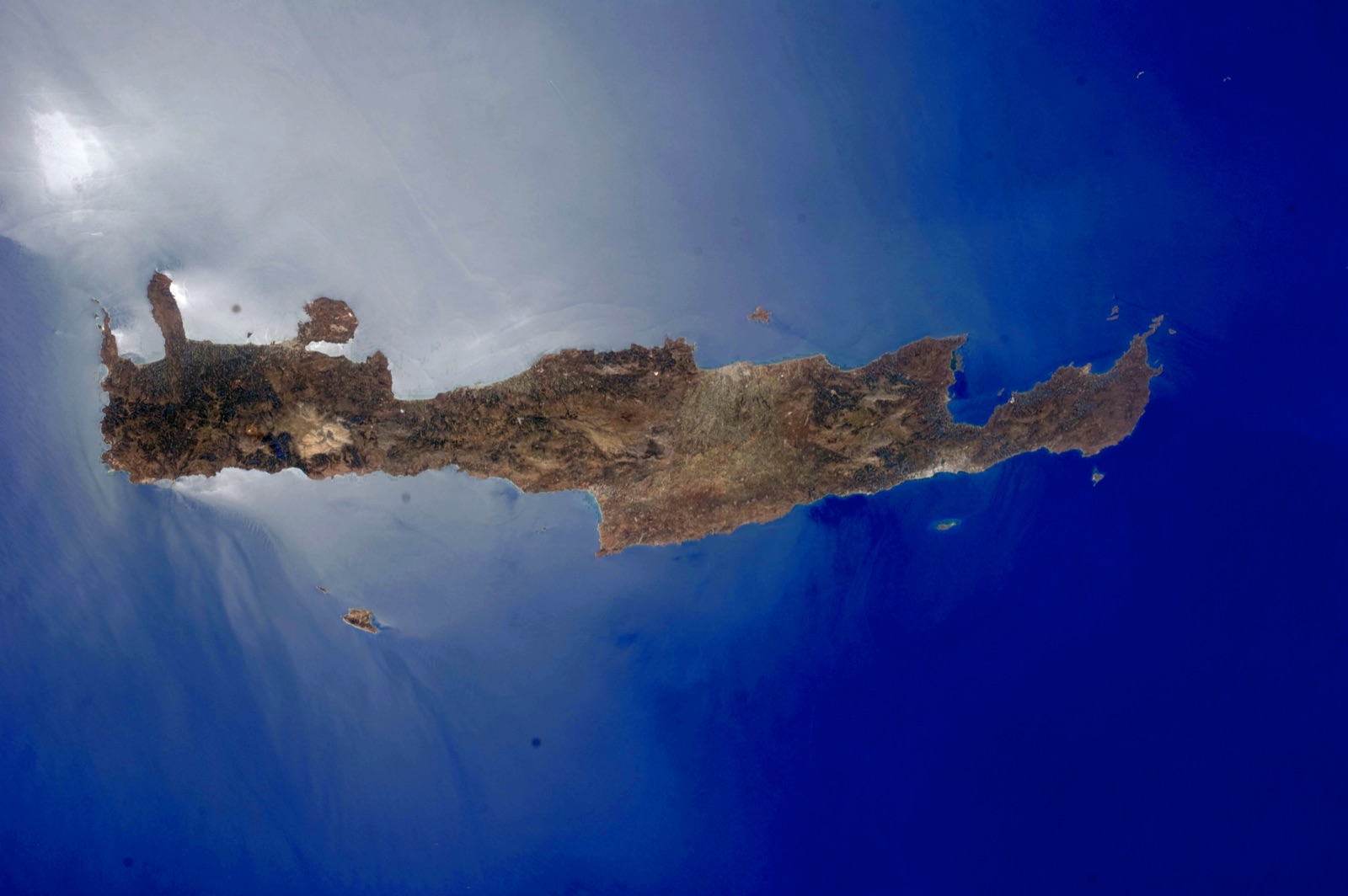
Key Takeaways: This Crete travel guide covers everything you need for a standout 2026 trip: the best regions, iconic experiences, food culture, and practical logistics for Greece's largest island. Browse verified Crete tours on FindToursIn to compare operators, read reviews, and book your perfect itinerary with confidence.
Crete is Europe's most complete island destination, and this Crete travel guide gives you the insider knowledge to plan a trip you'll remember for years. With four distinct regions, ancient Minoan ruins, mountain gorges, lagoon beaches, and a food culture unlike anywhere else in Greece, Crete rewards every type of traveler. Start by browsing tours on FindToursIn to get a sense of what operators are offering for 2026.
The island stretches roughly 260 kilometers from west to east, so where you base yourself matters. Chania draws those who want boutique hotels and a Venetian harbor. Heraklion suits history lovers with the nearest access to Knossos. Rethymno balances both, while Lasithi delivers mountain villages and upscale eastern resorts. Beach and island tours on FindToursIn cover all four regions. For a broader overview of Greek island options, see our best Greece tours guide.
Best Regions in This Crete Travel Guide
Chania: The Most Scenic Corner of Crete
Chania Old Town is the island's most photographed area, and for good reason. The Venetian lighthouse, the covered market, and the narrow lanes of the Splantzia quarter create a layered atmosphere that few Mediterranean towns match. Stay inside the old walls for easy evening access to the harbor restaurants. Day trips from Chania reach Balos lagoon, Elafonissi beach, and the Samaria Gorge trailhead.
Heraklion: History, Wine, and Modern Energy
Heraklion is Crete's capital and the gateway to Knossos Palace, the most significant Minoan site in the world. The city's Archaeological Museum holds treasures that rival Athens. Beyond history, the Peza and Dafnes wine regions sit just south of the city, producing some of Greece's most distinctive whites from the Vidiano and Dafni grape varieties. Cultural tours based in Heraklion typically combine Knossos with a wine tasting stop.
Rethymno and Lasithi: Slower Pace, Deeper Rewards
Rethymno's Venetian-Ottoman old town and its long sandy beach make it the most balanced base on the island. Lasithi, the eastern prefecture, is where you find the Lasithi Plateau, the palm-lined beach of Vai, and the upscale resort area of Elounda on the Gulf of Mirabello. Spinalonga island, a former Venetian fortress and leper colony, sits just offshore and ranks as one of the most visited sites in Greece.
Top 12 Tips from This Crete Travel Guide
This is where the Crete travel guide gets specific. These 12 tips are drawn from traveler feedback, operator data, and seasonal patterns, organized by theme.
Tips 1-4: Getting Around and Settling In
- Rent a car from day one. Public transport between regions is limited. A rental car unlocks gorge trailheads, hilltop villages, and lesser-known beaches that tour buses never reach.
- Visit Knossos early. Arrive before 9 am to beat the crowds and summer heat. Book a licensed guide; the site is vast and context transforms it completely.
- Stay in Chania Old Town for at least two nights. The atmosphere after 9 pm, when day-trippers leave, is worth the premium hotel prices.
- Hike Samaria Gorge on a weekday. The gorge receives around 300,000 visitors annually. Weekday mornings from May to October offer manageable crowds. Hiking and trekking tours run daily shuttles from Chania.
Tips 5-8: Beaches, Islands, and Scenic Spots
- Book Balos by boat, not by road. The road to Balos lagoon is rough and the car park charges a fee. The ferry from Kissamos gives a better approach and a cooler arrival.
- Explore Spinalonga by ferry from Elounda. The short crossing takes 15 minutes and the island's history as a leper colony until 1957 makes for a genuinely moving visit. Nature tours often combine Spinalonga with a swim stop at a nearby cove.
- Visit Elafonissi in the morning. The pink-tinged sand and shallow turquoise water are at their best before midday crowds arrive from Chania.
- Take a boat trip along the south coast. The Libyan Sea coastline between Agia Roumeli and Hora Sfakion has no road access. Boat is the only way to reach its hidden coves.
Tips 9-12: Food, Culture, and Smart Booking
- Eat dakos for breakfast. Cretan barley rusk topped with tomato, mizithra cheese, and olive oil is the island's signature morning dish. Food and wine tours take you deeper into this culinary tradition.
- Accept raki after every meal. Raki (tsikoudia) is Crete's grape-based spirit, served free in most tavernas as a sign of hospitality. Accepting it graciously opens conversations with locals.
- Respect village dress codes. Entering churches and monasteries requires covered shoulders and knees. Carry a light scarf to avoid being turned away.
- Choose a specialist operator. Crete's diversity means generalist companies often miss the island's depth. Our guide on how to choose a tour agency walks you through exactly what to look for.
Best Experiences Covered in This Crete Travel Guide
Samaria Gorge: The Definitive Crete Adventure
The Samaria Gorge stretches 16 kilometers through the White Mountains National Park and ends at the Libyan Sea village of Agia Roumeli. Adventure tours running this route arrange transport to the top entrance at Xyloskalo and a boat pickup from Agia Roumeli back to Hora Sfakion. The hike takes between four and seven hours depending on fitness level. The Greek National Tourism Organization recommends starting no later than 2 pm and carrying at least two liters of water.
Knossos and Crete's Minoan Legacy
Knossos Palace dates to around 2000 BCE and represents the heart of Minoan civilization. The site is listed by UNESCO for its outstanding universal value. Sir Arthur Evans reconstructed parts of the palace in the early twentieth century, making the frescoes and throne room accessible without specialized knowledge. Allow at least two hours and combine your visit with the Heraklion Archaeological Museum.
Elafonissi and Balos: Two Unmissable Beaches
Elafonissi sits at Crete's southwestern tip and features shallow pink-tinged sand and water that barely reaches waist depth in summer. Lonely Planet consistently ranks it among Europe's finest beaches. Balos, in the northwest, is a lagoon enclosed by a peninsula and two small islets. Both beaches are reachable by organized day tour from Chania, which takes the logistics stress out of narrow mountain roads.
Crete Food and Wine: A Central Part of Every Crete Travel Guide
No Crete travel guide is complete without a dedicated chapter on food. Cretan cuisine is not just regional Greek cooking; it is a distinct culinary tradition shaped by Minoan, Byzantine, Venetian, and Ottoman influences. The Mediterranean diet was partly modeled on Cretan eating habits studied during the Seven Countries Study in the 1960s.
What to Eat and Drink in Crete
The island produces exceptional extra-virgin olive oil, particularly from the Sitia PDO region. Local cheeses like graviera and mizithra appear in everything from pasta to pastries. Village tavernas in the interior highlands offer lamb dishes, snails in rosemary (hohlioi boubouristi), and slow-cooked greens that never appear on coastal tourist menus. Food and wine tours run by local Cretan operators provide access to these experiences authentically and without language barriers.
When to Visit: Seasonal Breakdown for Your Crete Travel Guide
Month-by-Month Comparison
| Month | Temperature | Crowds | Price | Best For |
|---|---|---|---|---|
| April | 18-22°C | Low | Budget | Wildflowers, hiking, sightseeing |
| May | 22-26°C | Moderate | Mid-range | Samaria Gorge, beaches opening |
| June | 26-30°C | Growing | Mid-range | Full beach season, long daylight |
| July-August | 28-34°C | Peak | Premium | Full facilities, nightlife |
| September | 24-28°C | Moderate | Mid-range | Best overall balance |
| October | 20-24°C | Low | Budget | Quiet villages, warm sea |
April and October are ideal for nature tours and hiking without the summer heat. The European Commission travel portal provides current entry requirements for EU and non-EU visitors planning ahead for 2026.
Final Thoughts
This Crete travel guide has covered the essential regions, the 12 most actionable tips, the top experiences, and the seasonal logic for visiting Greece's largest island. Crete rewards preparation. The more you know before you arrive, the deeper you can go beyond the obvious resorts.
Plan Your Crete Trip with FindToursIn
For sustainable travel practices that apply across any Crete itinerary, read our sustainable travel tips guide. FindToursIn lists verified local operators across Greece, so you can find your perfect match by activity type, location, and budget. Learn more about FindToursIn and our commitment to connecting travelers with trusted operators, or contact us if you need personalized recommendations for your 2026 trip.
Frequently Asked Questions
What is the best Crete travel guide tip for first-time visitors?
The single most important Crete travel guide tip for first-time visitors is to rent a car from day one. Crete's public transport network does not connect its major attractions efficiently. A car gives you freedom to reach gorge trailheads, secluded beaches, and mountain villages on your own schedule.
How many days do you need in Crete?
Seven to ten days is the recommended minimum for a meaningful Crete experience. This allows time in at least two or three regions without feeling rushed. Travelers with fewer than five days should focus on one region, either Chania in the west or Heraklion in the center, and book guided day tours for maximum efficiency.
Is Crete better than Santorini for a Greece trip?
Crete and Santorini serve very different travel styles. Crete suits active travelers, families, and food enthusiasts who want variety across beaches, history, and hiking. Santorini suits couples seeking romance, dramatic scenery, and luxury accommodation. Many travelers combine five days in Crete with two nights in Santorini for a complete Greek island experience.
What is the best time to visit Crete in 2026?
May and September offer the best balance of warm weather, manageable crowds, and mid-range prices. July and August are the hottest and most crowded months but offer the fullest range of tour departures and beach facilities. April and October suit budget travelers and outdoor enthusiasts who prefer quieter conditions.
Is it safe to travel to Crete?
Crete is one of the safest destinations in Europe. The UNWTO consistently rates Greece as a low-risk destination for international travelers. Standard precautions apply: protect valuables at busy beaches, use sunscreen aggressively in peak summer, and carry water when hiking. Healthcare facilities are available in all major towns.
How do I find the best tours in Crete?
The most reliable way to find and book Crete tours is through FindToursIn, where all listed operators are verified and reviews are from confirmed travelers. Filter by activity category, departure city, and group size to narrow your options quickly. Reading our guide on how to choose a tour agency first will help you evaluate any operator with confidence.
Curated travel content from our team of travel enthusiasts. We help you discover the best tours and destinations worldwide.
Ready to book in Greece?
51 tours in Greece from verified local agencies — contact them directly, no booking fees.
See tours in Greece